
Virtual reality (VR) has many benefits. Its immersive sensory experience is being applied in healthcare, gaming and entertainment, fashion, the military, and the media, just to name a few. Small- and mid-sized businesses are no exception, as this technology is changing how they normally do business in wonderful ways.
How virtual reality helps small- and mid-sized business

Office 365 hacking: What you need to know

Some hackers have become so skilled that they don’t even need you to give up your credentials to hack into your account. One recent cyberthreat is targeted towards users of Microsoft Office 365. You don’t want to be the next victim, so read up.
A phishing scam that harvests users’ credentials
The latest cyberattack on Microsoft Office 365 involves harvesting users’ credentials.
The right way to set up guest Wi-Fi

Customers, partners, and vendors expect Wi-Fi access when they’re visiting your office. This is why having guest Wi-Fi access is common for most companies. But setting it up the wrong way can create a frustrating experience for people looking to connect to the internet.
Rediscover Office 365 with Surface
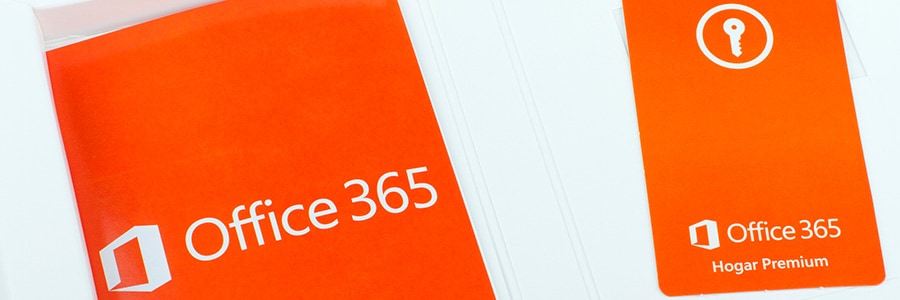
Microsoft’s Surface line does not only have the most powerful Intel Core processors, but it also offers unprecedented integration with Office 365. With unique touchscreen capabilities and advanced accessories, Surface devices enable you to work with the popular productivity suite in new and exciting ways.
Manage your WordPress with this checklist

WordPress is one of the most powerful blogging and content management systems (CMS) today. Since 35% of the internet is powered by WordPress, there’s no room for sluggish load times, potential security vulnerabilities, or search engine delistings. Follow this checklist to avoid those problems.
The business benefits of IAM

Your employees access applications and confidential business data every day. Hackers, on the other hand, are trying to do the exact same thing but for more malicious reasons. What’s worse, even employees can go rogue and steal your data, which is why it’s crucial that you have an identity and access management (IAM) solution in place.
Mitigating cybersecurity insider threats

Did you know that in some industries the biggest cybersecurity threats come from inside a breached organization? Sometimes it's motivated by financial gain and sometimes it's plain-old ignorance. So how can you protect your organization from insider threats?
#1 Educate
You must teach your team to recognize personally identifiable information (PII) and understand the financial implications of a breach.
Decrease printing costs in 5 easy ways

You may think that your printing expenses aren't a major concern. But if they're not managed well, you may end up with a bloated IT budget that's mostly comprised of hardware, supply purchases, and equipment maintenance costs. Your business can save money and time by following these five tips.
Office 365 productivity add-ons you must use

Microsoft Office 365 is one of the most successful and popular apps in the world, currently with 180 million users and counting. To enhance the user experience, it also offers these time-saving, productivity-boosting add-ons.
#1. Teams
Teams is ideal for organizations that collaborate frequently.
6 Firefox features your business needs

Firefox may not be as ubiquitous as it used to be, but it remains a powerful browser. Make sure you’re taking full advantage of its capabilities by using these tools:
Firefox’s secret tweak interface
Catering to the more tech-savvy users, Firefox’s secret interface gives you a peek behind the curtain into the world of coding.
